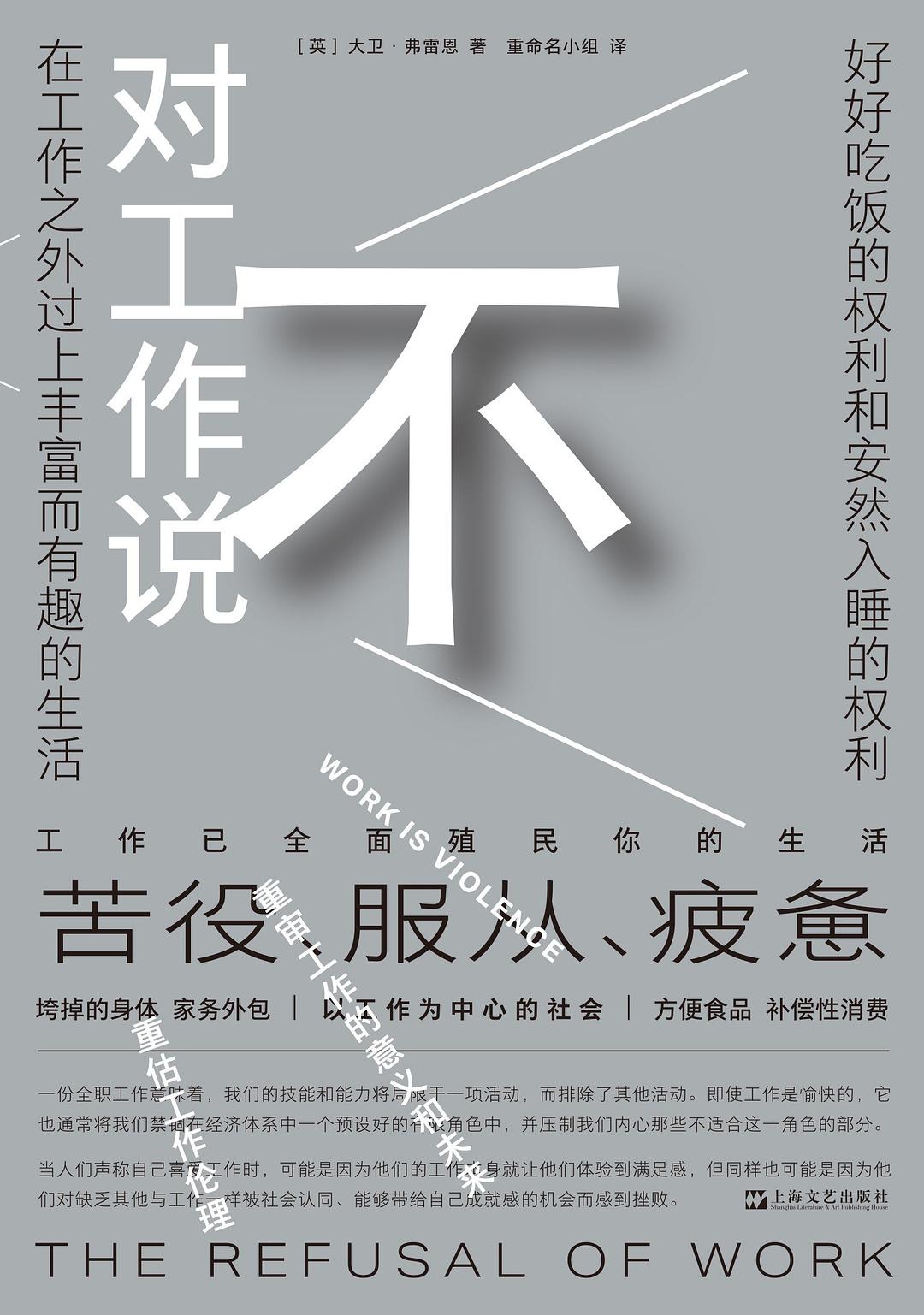
If the recuperative or compensatory activities we undertake in our free-time are often enjoyable, Adorno would ultimately argue that they are expressions of a superficial liberty. He argues that free-time is not really free at all, so long as it remains guided by the forces that people are trying to escape. He insists on the need for a distinction between free-time and the more auspicious category of true leisure. If free-time represents a mere continuation of work, then it is true leisure which represents that sweet ‘oasis of unmediated life’ in which people detach from economic demands and become genuinely free for the world and its culture. Adorno argues that it is the degraded form – free-time, rather than true leisure –which prevails in affluent societies. In this degraded free-time, ...